ARCOS Labs Targets AI Copyright Theft With VN Platform
ARCOS Labs has introduced its VN platform to help creators detect when generative AI models infringe on copyrighted characters, establishing a technical framework for IP verification.
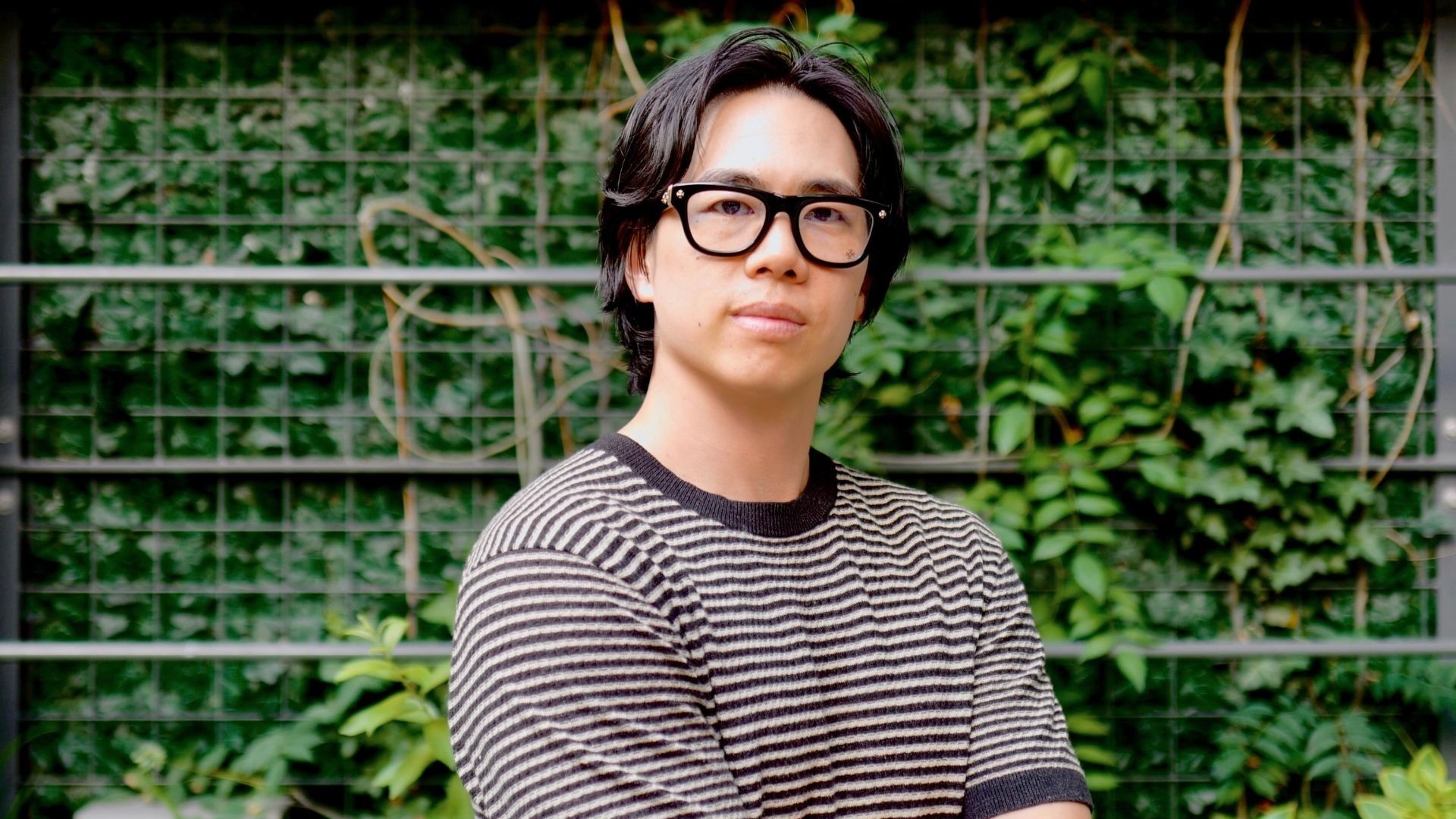
ARCOS Labs, which emerged from stealth in August 2026, is developing infrastructure to help intellectual property holders track and manage how generative models use their creative assets. Founded by Nelson Chu, who previously spent eight years building the private credit platform Percent, the startup is launching VN, a flagship platform designed to measure how closely AI outputs resemble protected characters, works, and human likenesses. The company is also behind Lightbar, a crowdsourced initiative to investigate AI training models.
The VN platform uses statistical analysis to determine the similarity between AI outputs and protected assets, leaving the final enforcement decisions to the rights holders. This technical approach addresses ongoing legal uncertainties seen in copyright disputes involving Anthropic, Cox, and GEMA. In testing various systems, ARCOS Labs analyzed ByteDance's Seedance 2.5 and Seedance 2.0 models. The testing revealed that while Seedance 2.5 has stronger safeguards for highly recognizable characters, long-tail IP remains difficult to protect. This difficulty arises because prompt-level checks can be bypassed through descriptive circumvention, and output-analysis checks often lack comprehensive databases for obscure works.
For industry practitioners, such as studio executives, talent agencies, and creators, this technology shifts copyright management from manual monitoring to automated, reproducible verification. Instead of relying on vague legal definitions or easily stripped watermarks, rights holders can use VN to conduct exposure analysis. This analysis identifies which models generate their IP most accurately and under what conditions. By establishing a point-in-time record of model behavior, practitioners can continuously evaluate updates without starting their monitoring efforts from scratch.
Ultimately, ARCOS Labs aims to turn this detection infrastructure into a neutral licensing marketplace. By acting as an independent verification layer, the technology could programmatically identify protected assets in AI outputs, determine ownership, and route compensation to creators. Chu suggests that while enforcement checks may eventually run inside the models themselves, the reference and verification layers must remain independent to ensure trust between Hollywood and AI developers.
This is our own summary of reporting by Unite.AI