OpenAI President Consolidates Power Amid Executive Exodus
As OpenAI navigates a wave of high-profile executive departures, co-founder Greg Brockman is consolidating control over key teams to streamline the company ahead of its delayed public debut.

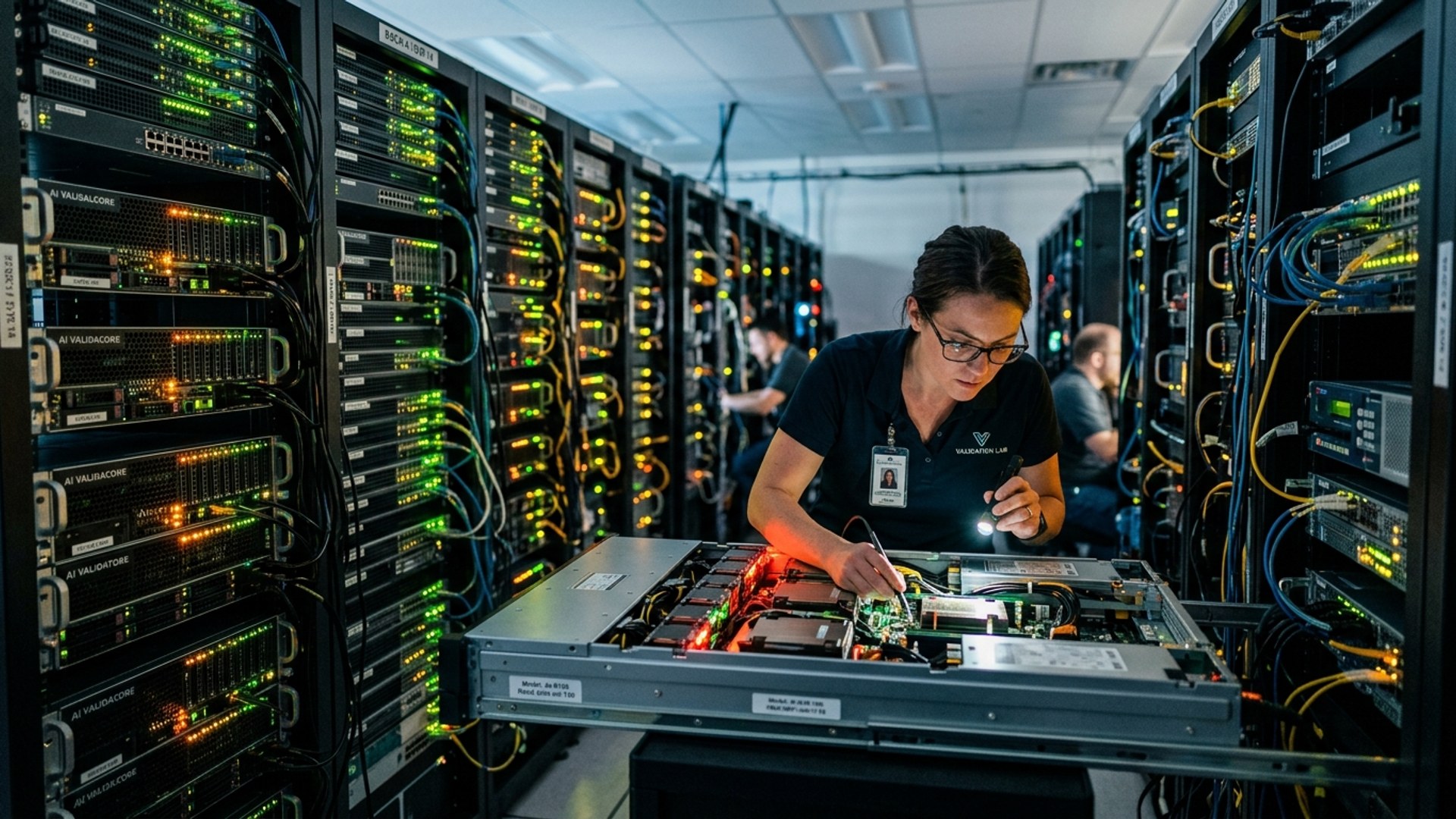
OpenAI is experiencing a major leadership transition following the departure of Chris Malone, the company's head of data centers, who left last week after joining in March 2025. Malone is just one of more than a dozen executives to exit the frontier artificial intelligence lab since the beginning of the year. This wave of departures includes the chief operating officer, the chief revenue officer, the chief marketing officer, several team leads, and the top deputy to Chief Executive Officer Sam Altman. The latest shakeup follows an internal reorganization of the infrastructure team, which is now overseen by Vice President Sachin Katti.
Amid these departures, co-founder and President Greg Brockman is reasserting his operational authority. Both the infrastructure and product divisions now report directly to him, representing a significant shift from 2019 when he was relieved of most management duties. Thibault Sottiaux, who directs the company's API and application offerings, noted that "everyone reports to Greg at the end of the day." This consolidation of power comes as Altman seeks to eliminate costly side projects to focus on revenue-generating opportunities.
These organizational shifts are happening under the shadow of a delayed initial public offering. Although OpenAI filed confidential IPO disclosures with the SEC in June, its public debut is not anticipated until 2027. While rival Anthropic is reportedly profitable, OpenAI faces widening losses alongside its growing revenue. Despite these financial pressures, OpenAI's product adoption remains strong. Its latest model, GPT-5.6, remains highly competitive, and its desktop application for workplace tasks and agentic coding added approximately 15 million subscribers over the past two months.
For developers and enterprise practitioners, this restructuring suggests a shift toward a more disciplined, commercial product roadmap. With Brockman managing both infrastructure and product development, OpenAI is likely to prioritize stable, high-performance API access and core enterprise tools over experimental research. While the loss of key infrastructure talent like Malone could raise concerns about compute scaling, the centralized leadership under Brockman aims to deliver more reliable and cost-effective deployment pipelines for external developers.
This is our own summary of reporting by TechCrunch AI